Cherished Companions
Raising loyal friends, one paw at a time
About Us
My dog's are first and foremost my pets and my entire world. Their welfare and happiness are paramount. They live in my home and sleep with me at night. My aim is to produce healthy, well ballanced and happy family pets. I raise them as if Im keeping every one of them.
Breeding your puppy takes years of dedication, endless planning, health testing mom and dad, training, research, sleepless nights, heartbreak, financial/emotional/physical losses.
For a devoted breeder its a chosen lifestyle, years of dedication, heart and soul.
Your puppy can leave me from 8 weeks of age (12 weeks if tiny)
A non-refundable deposit will secure the puppy of your choice.
I will always be here for support if you want me.
BCP Breeder license no. AAL 171488
Breeding your puppy takes years of dedication, endless planning, health testing mom and dad, training, research, sleepless nights, heartbreak, financial/emotional/physical losses.
For a devoted breeder its a chosen lifestyle, years of dedication, heart and soul.
Your puppy can leave me from 8 weeks of age (12 weeks if tiny)
A non-refundable deposit will secure the puppy of your choice.
I will always be here for support if you want me.
BCP Breeder license no. AAL 171488
My 'Kids'
Discover Your New Best Friend
Bringing joy and loyalty to your home
Available puppies
Retiring in 2026
Gallery
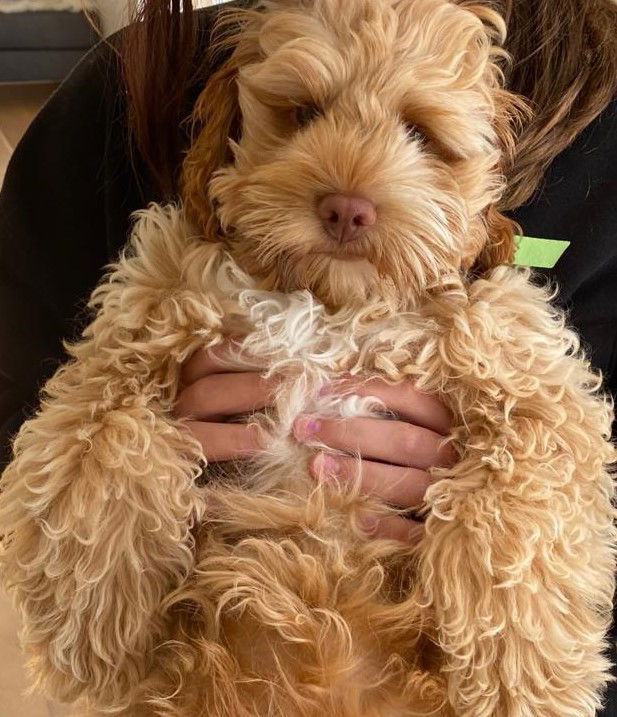


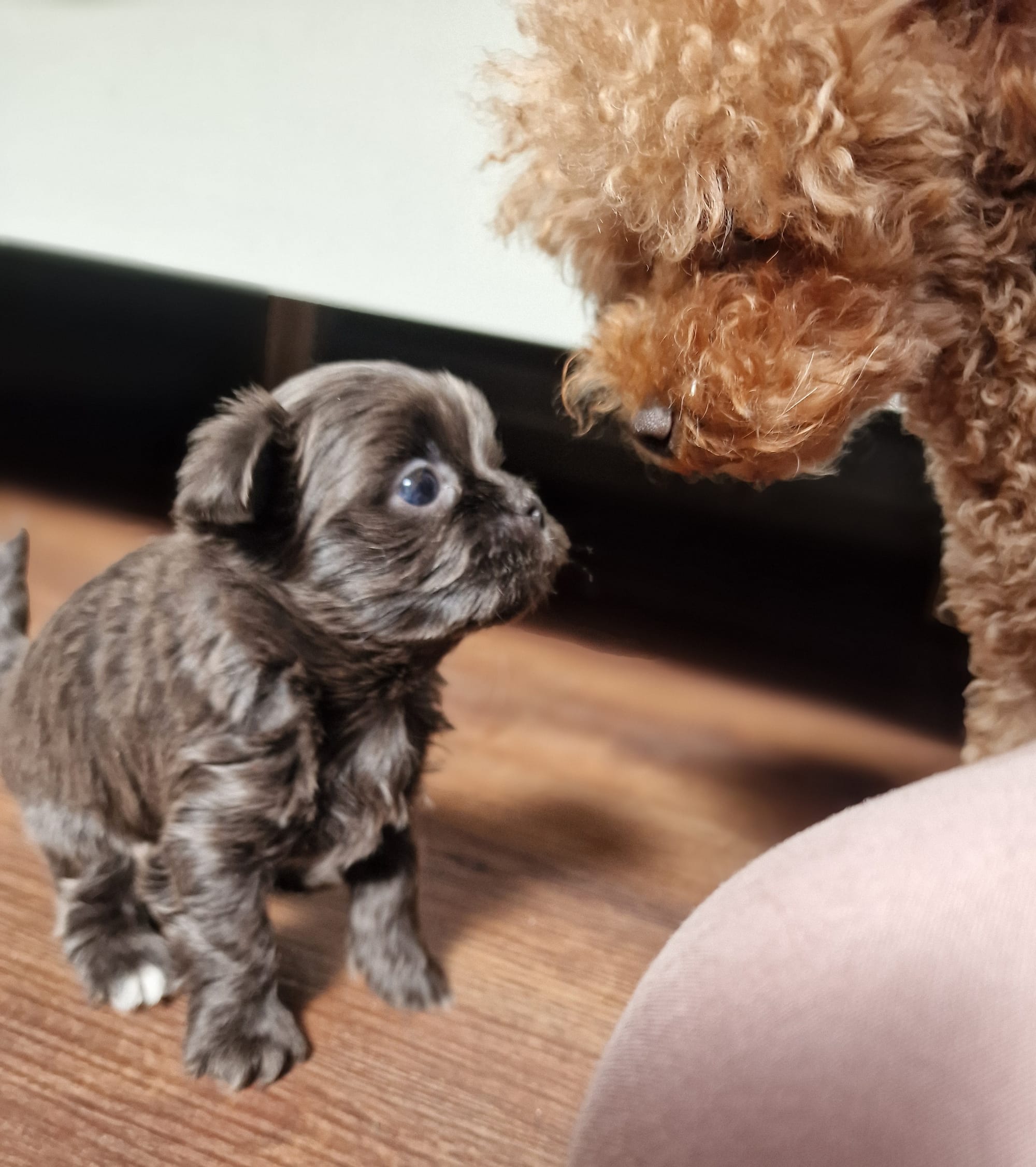

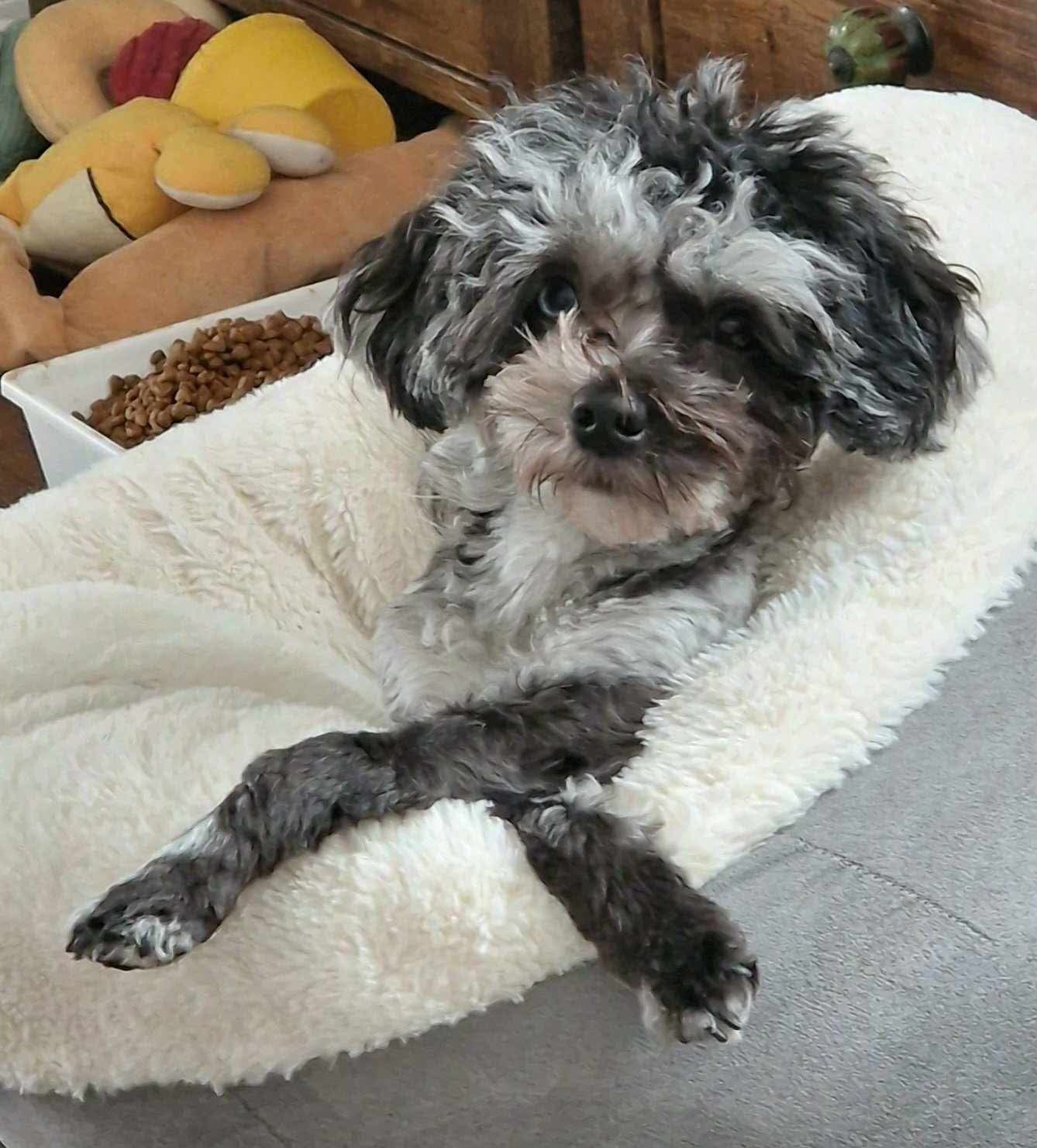
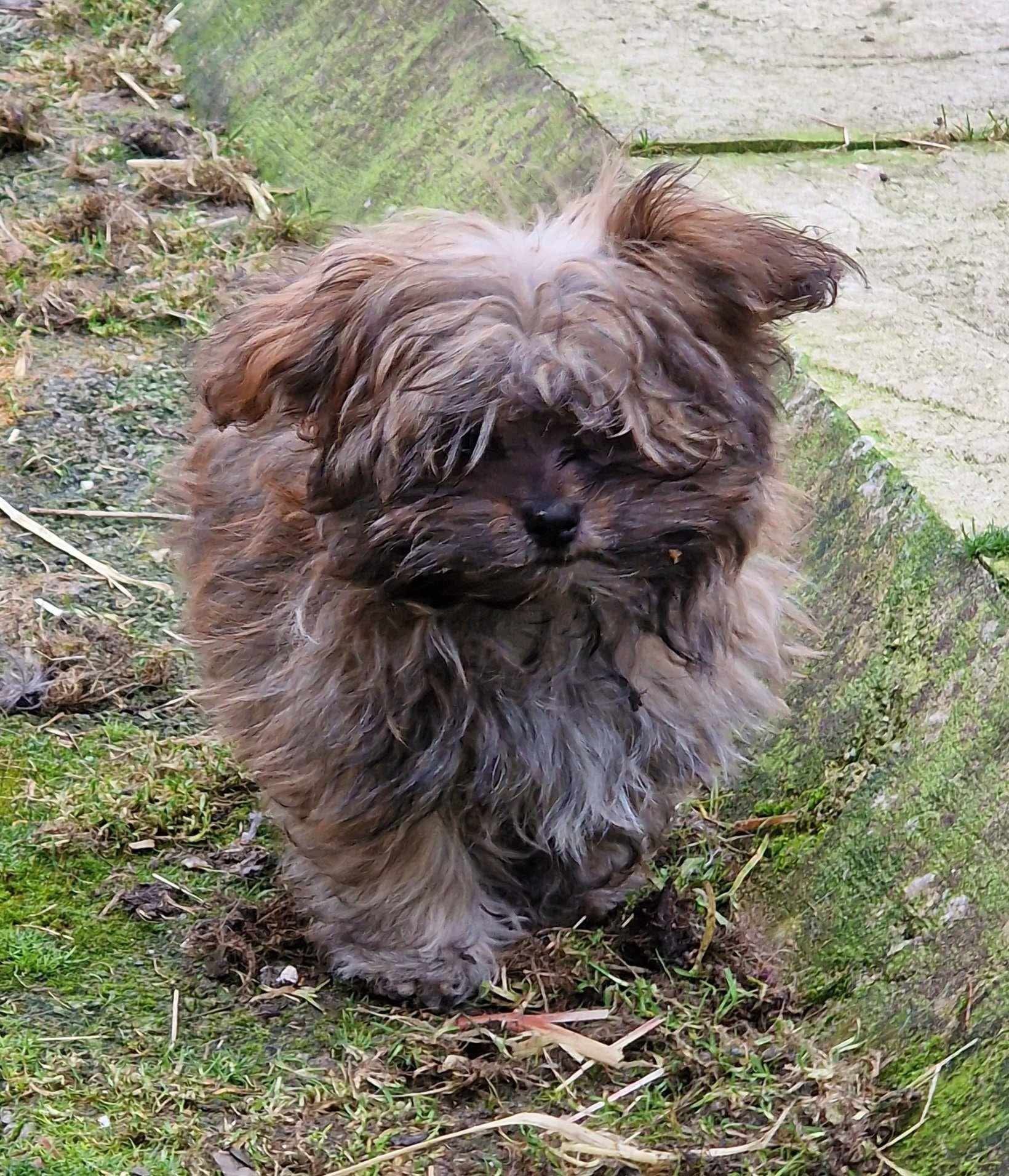



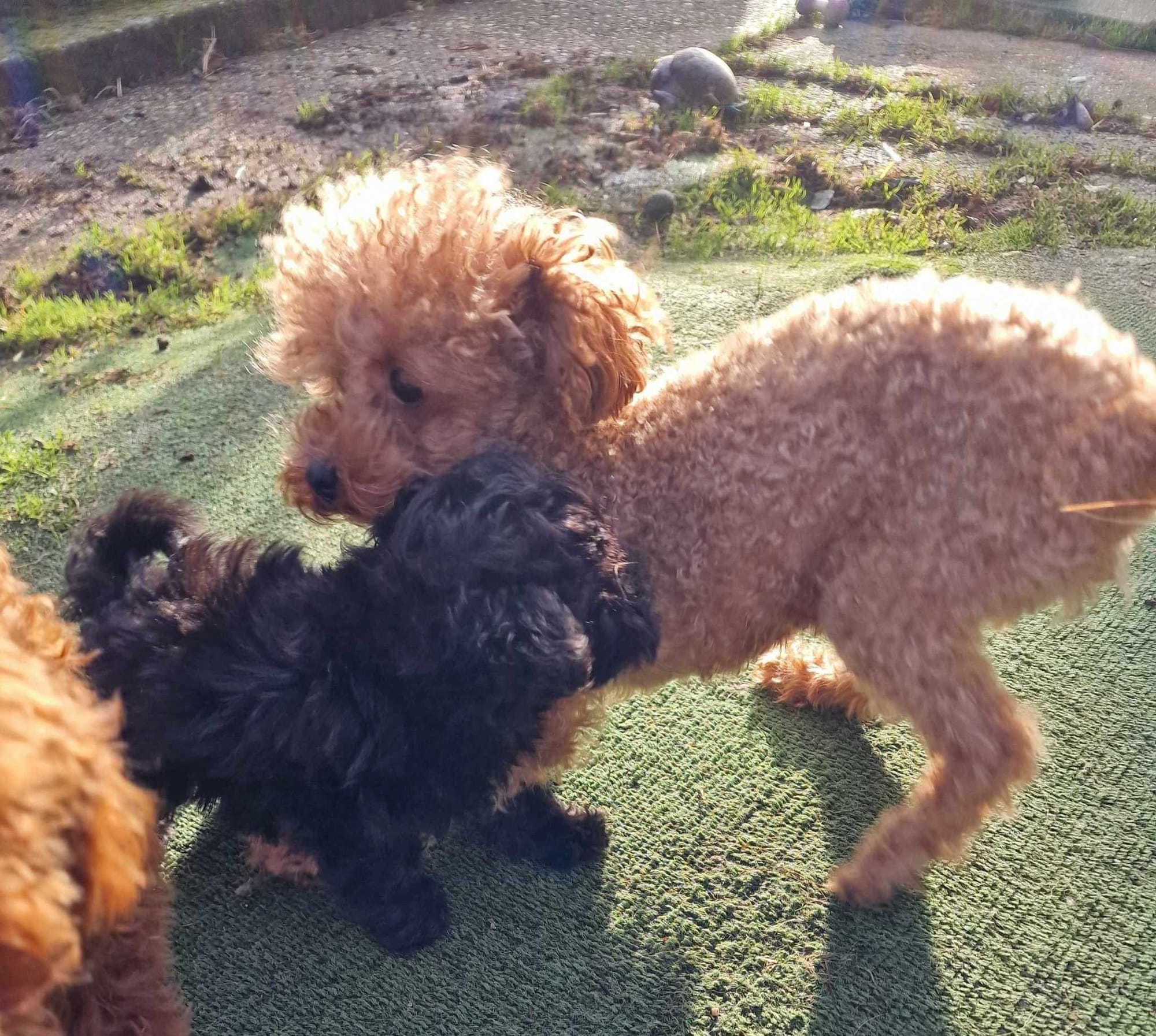
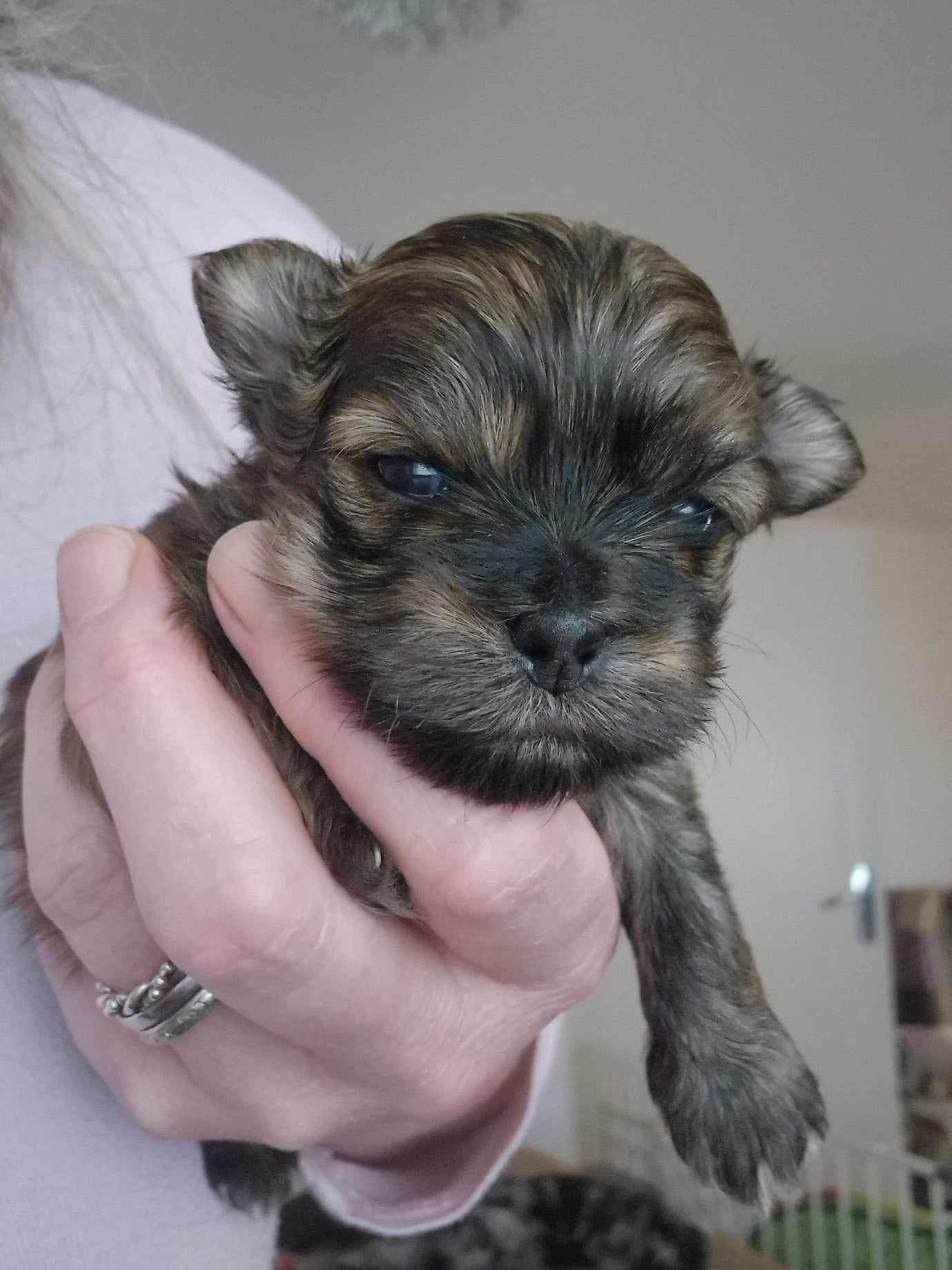
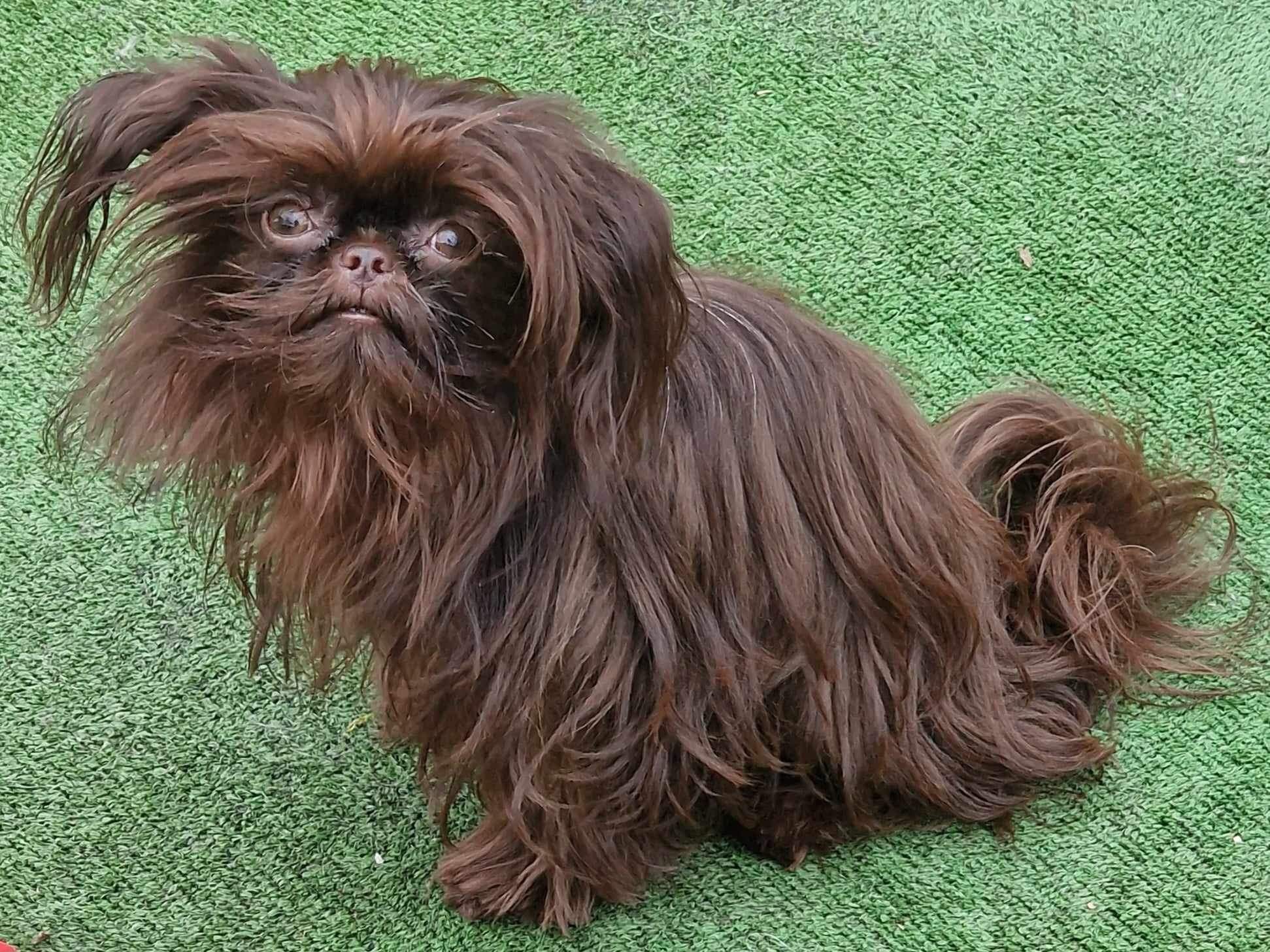

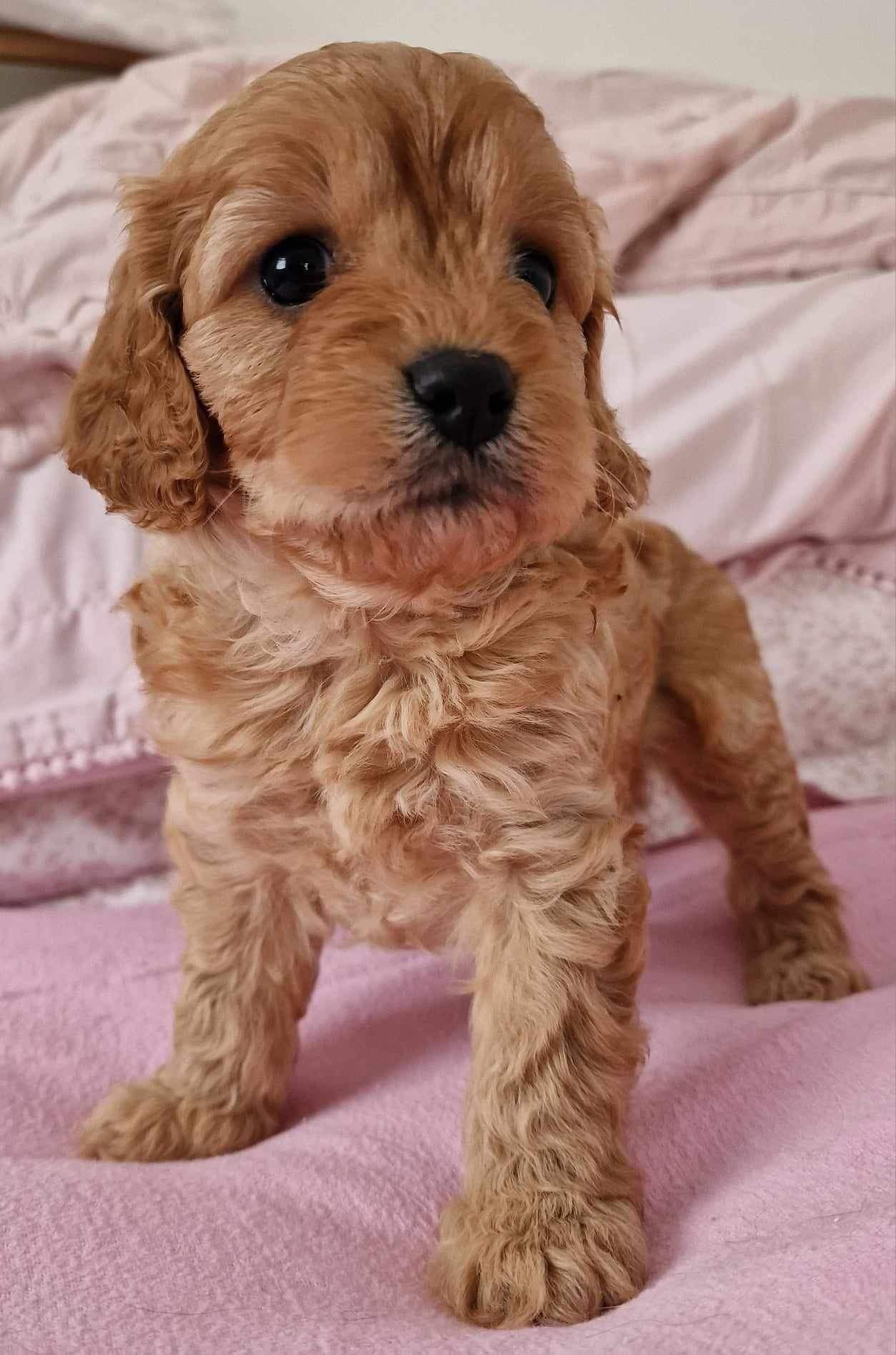
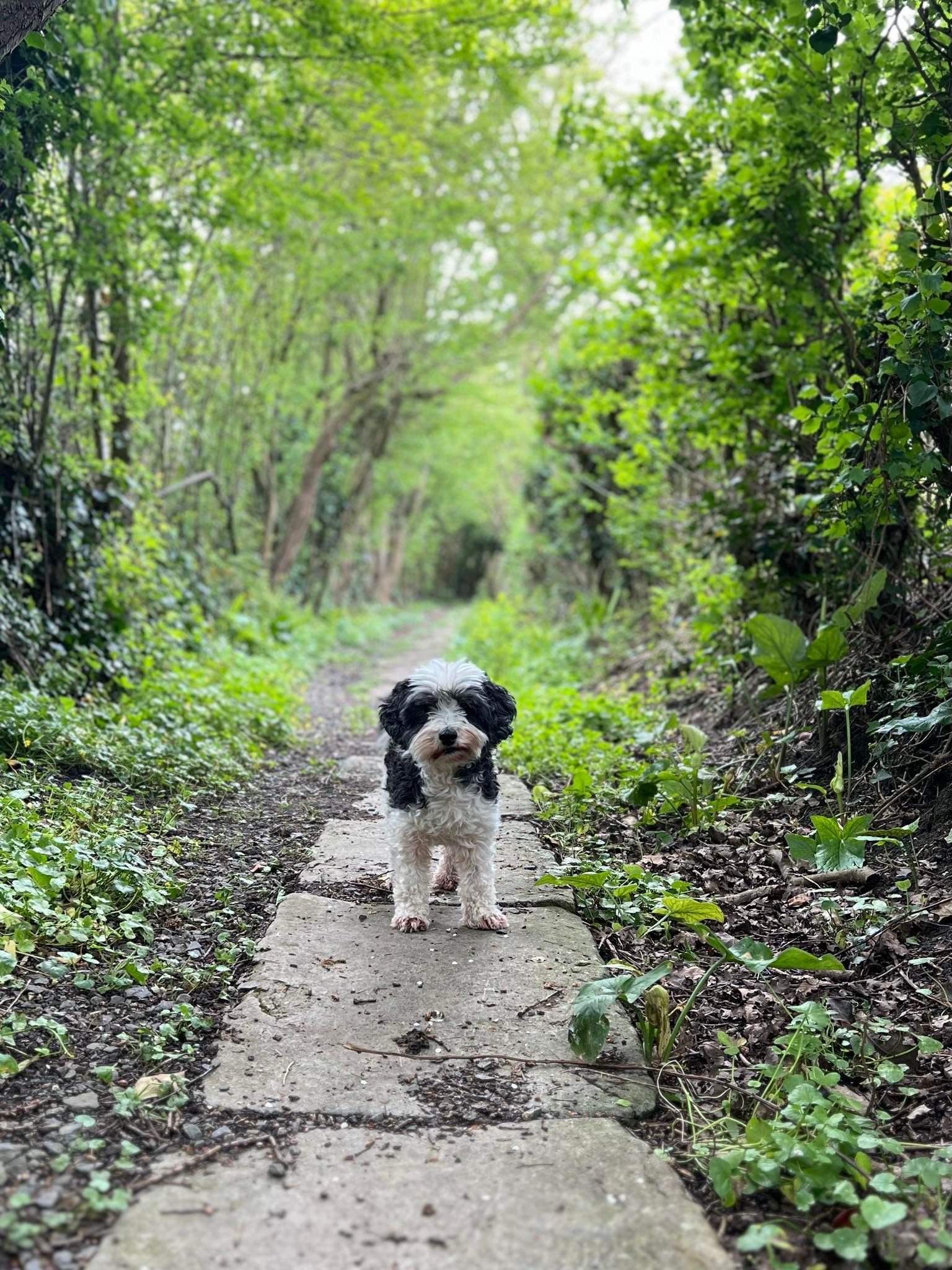


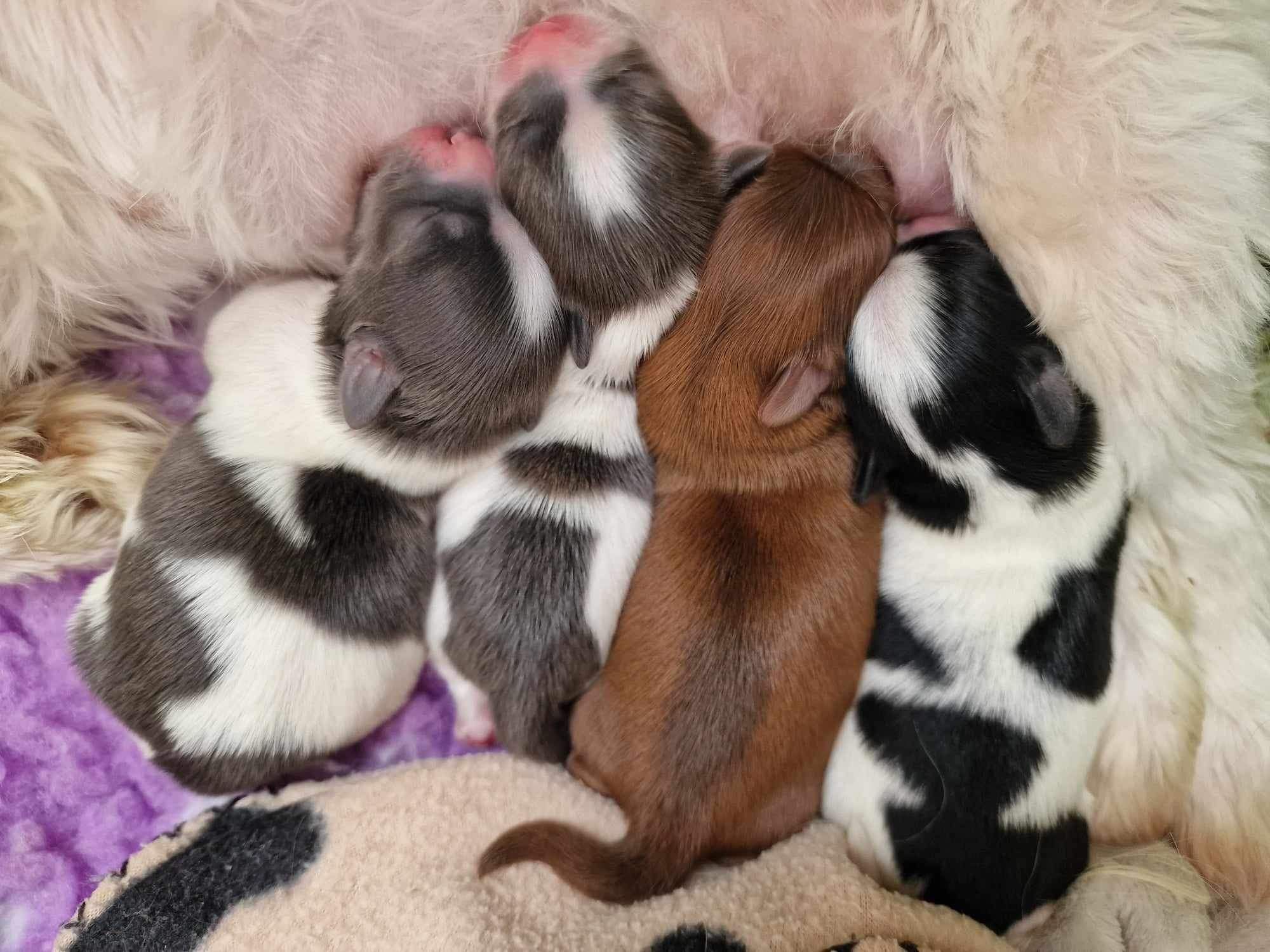
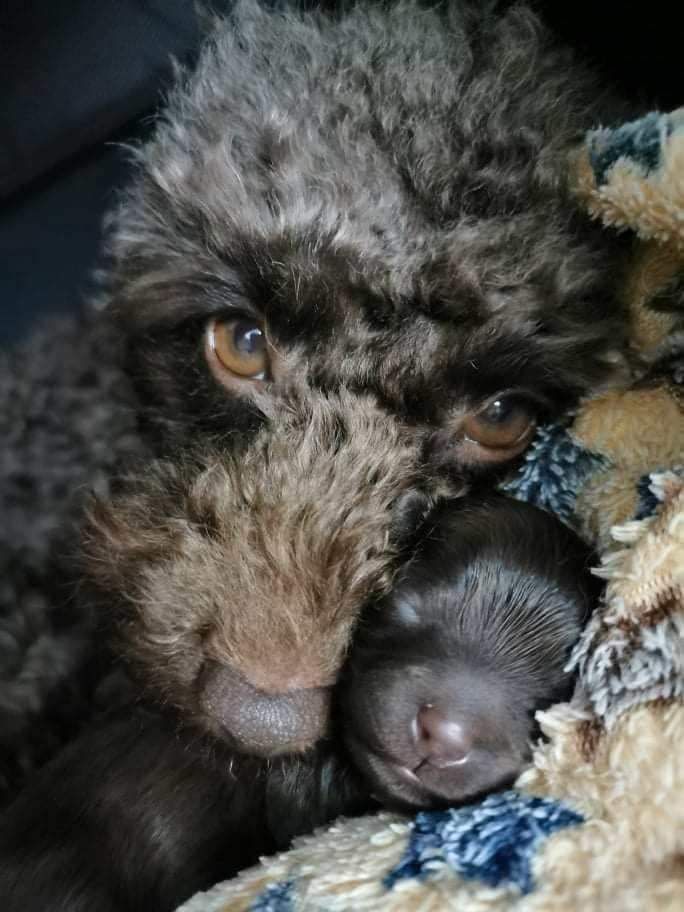
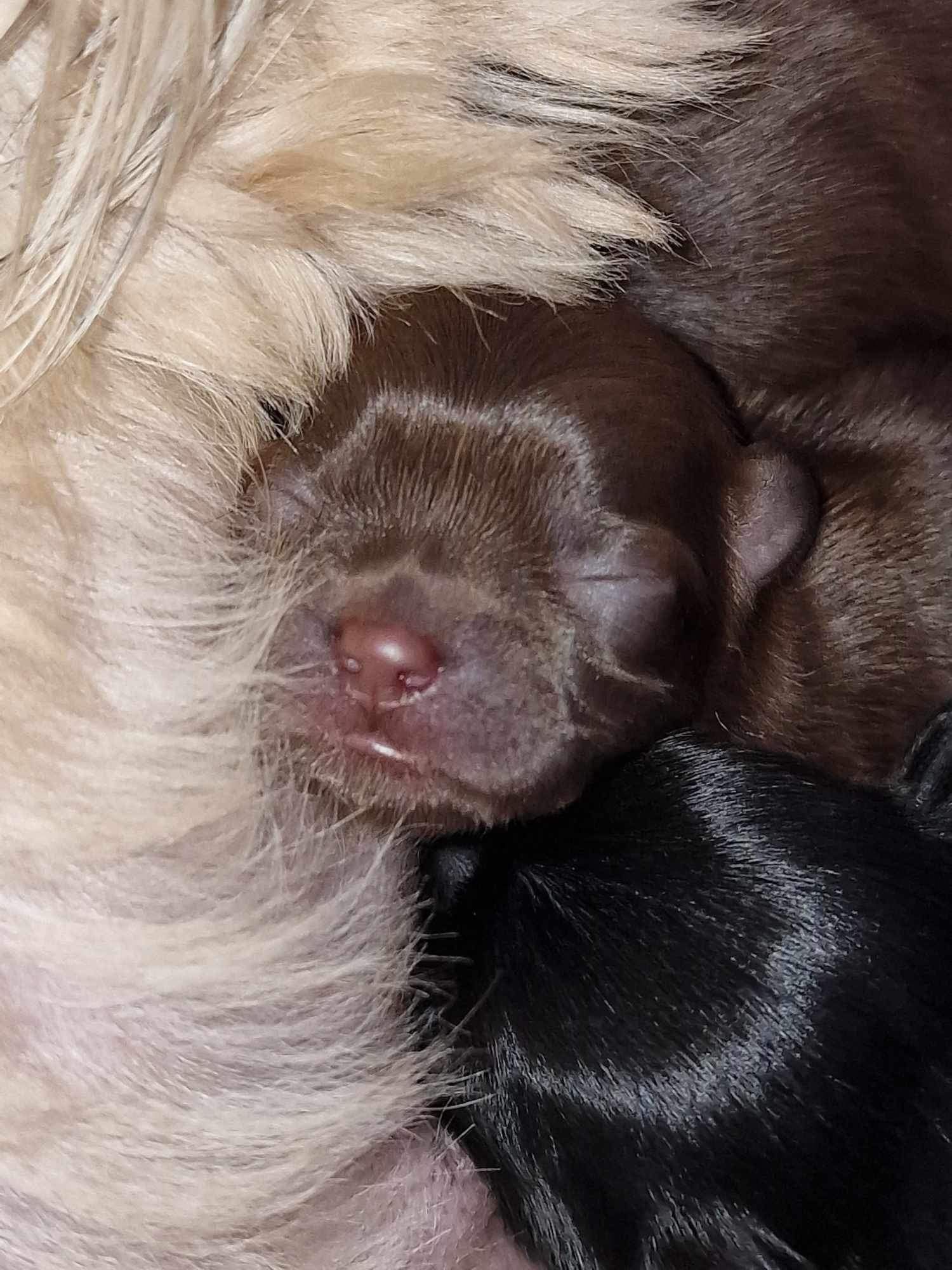

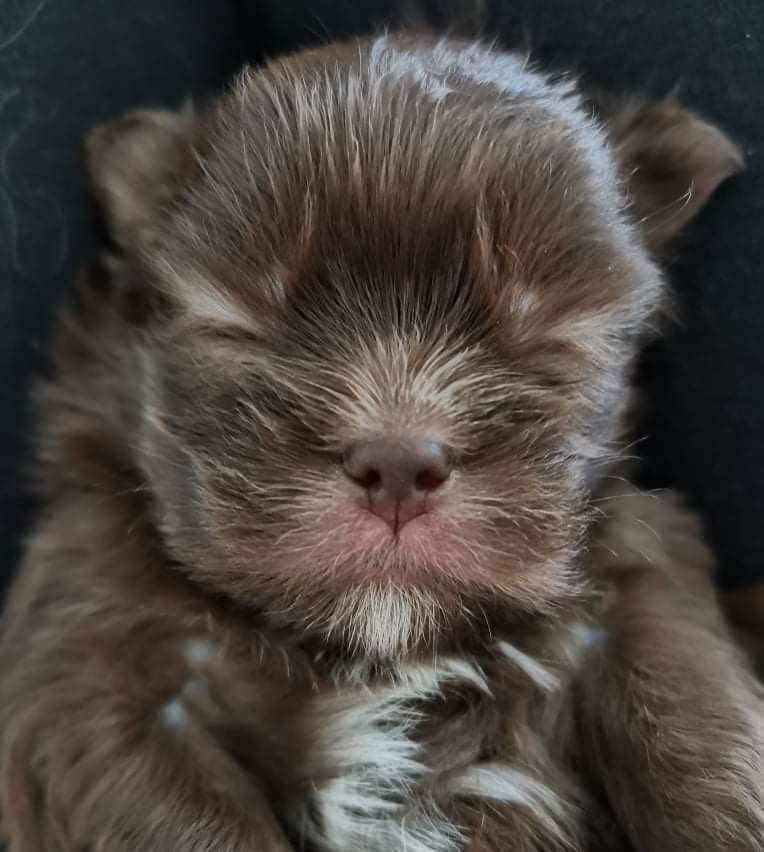
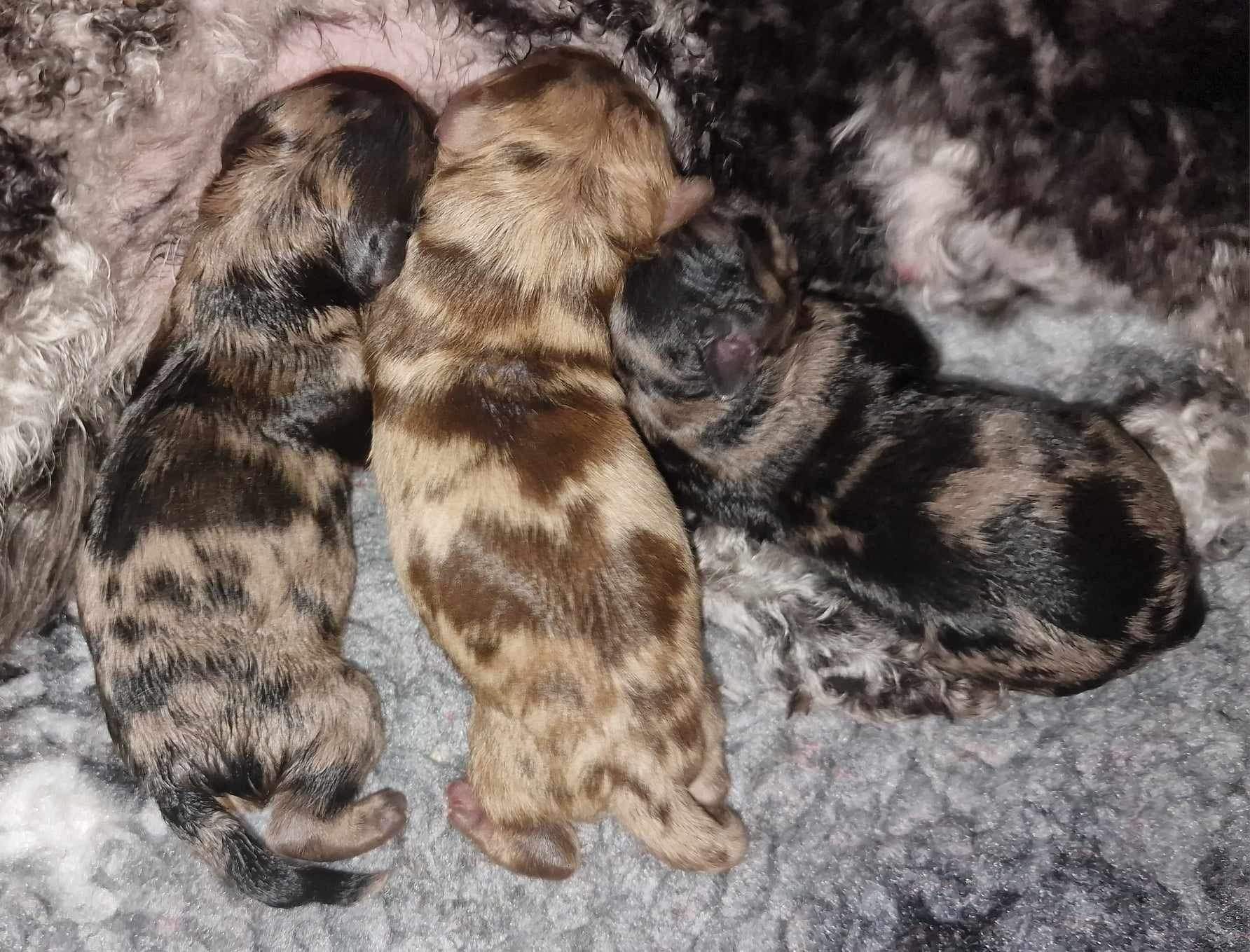
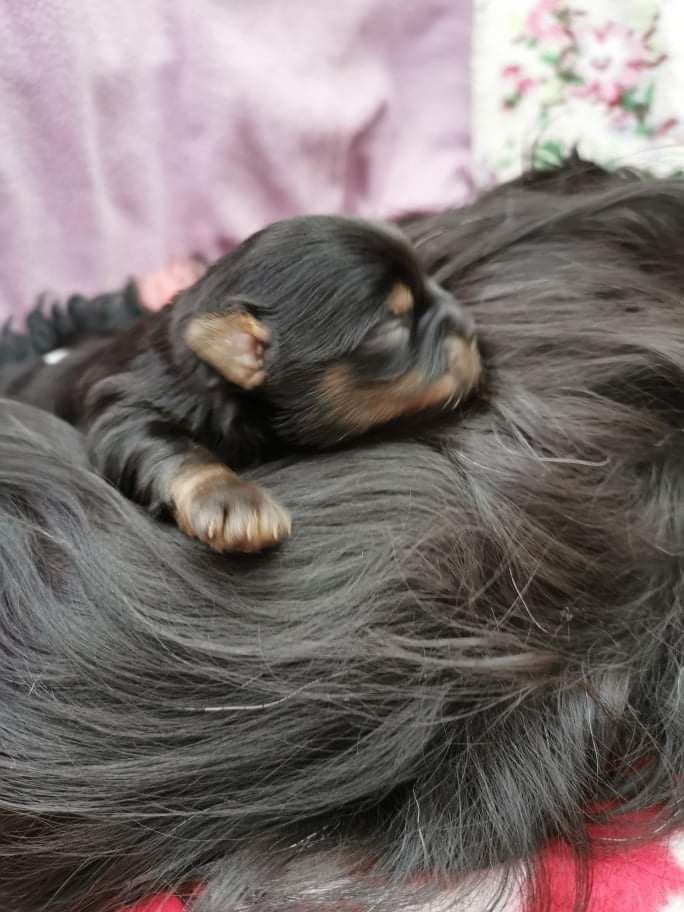

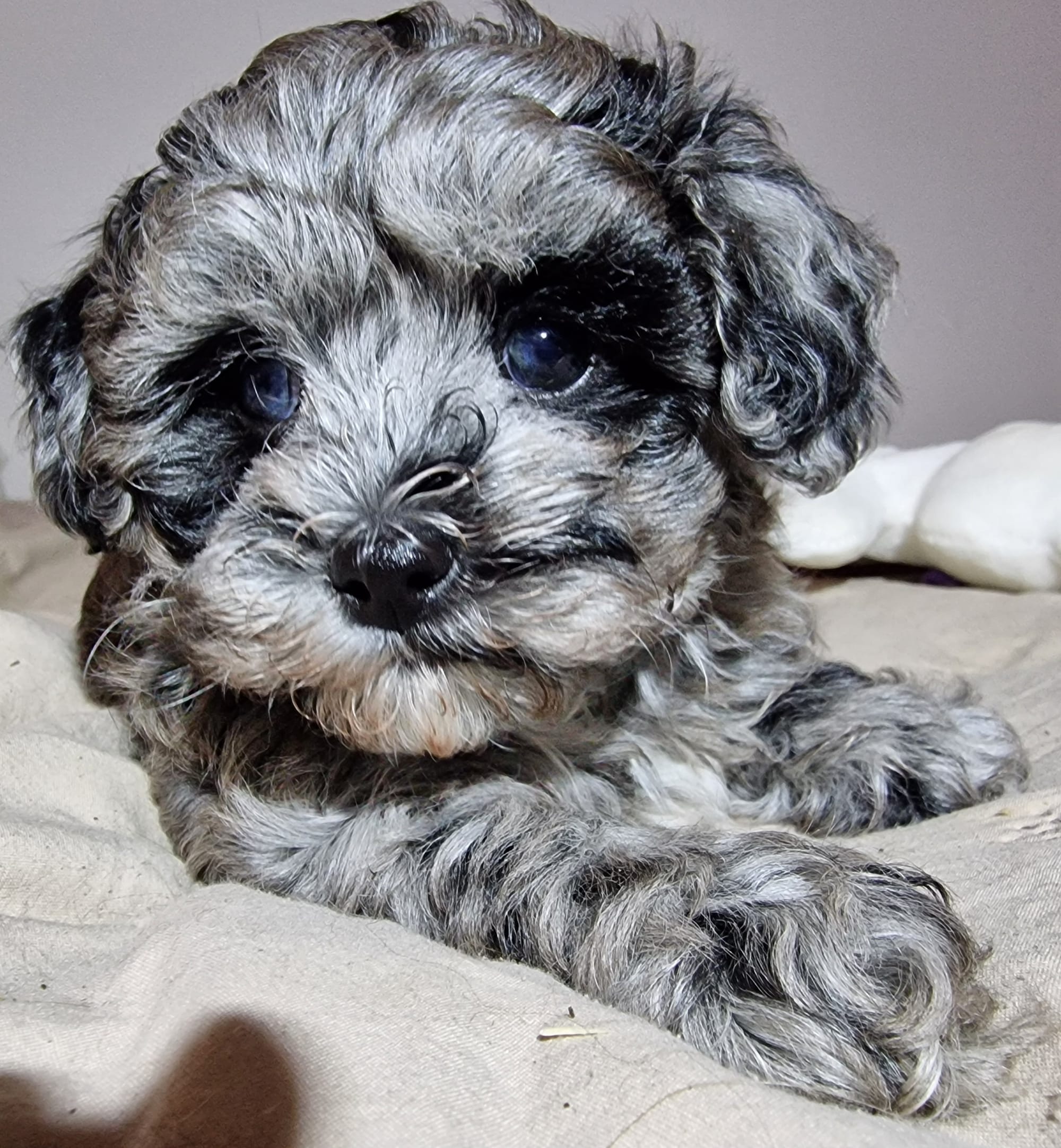
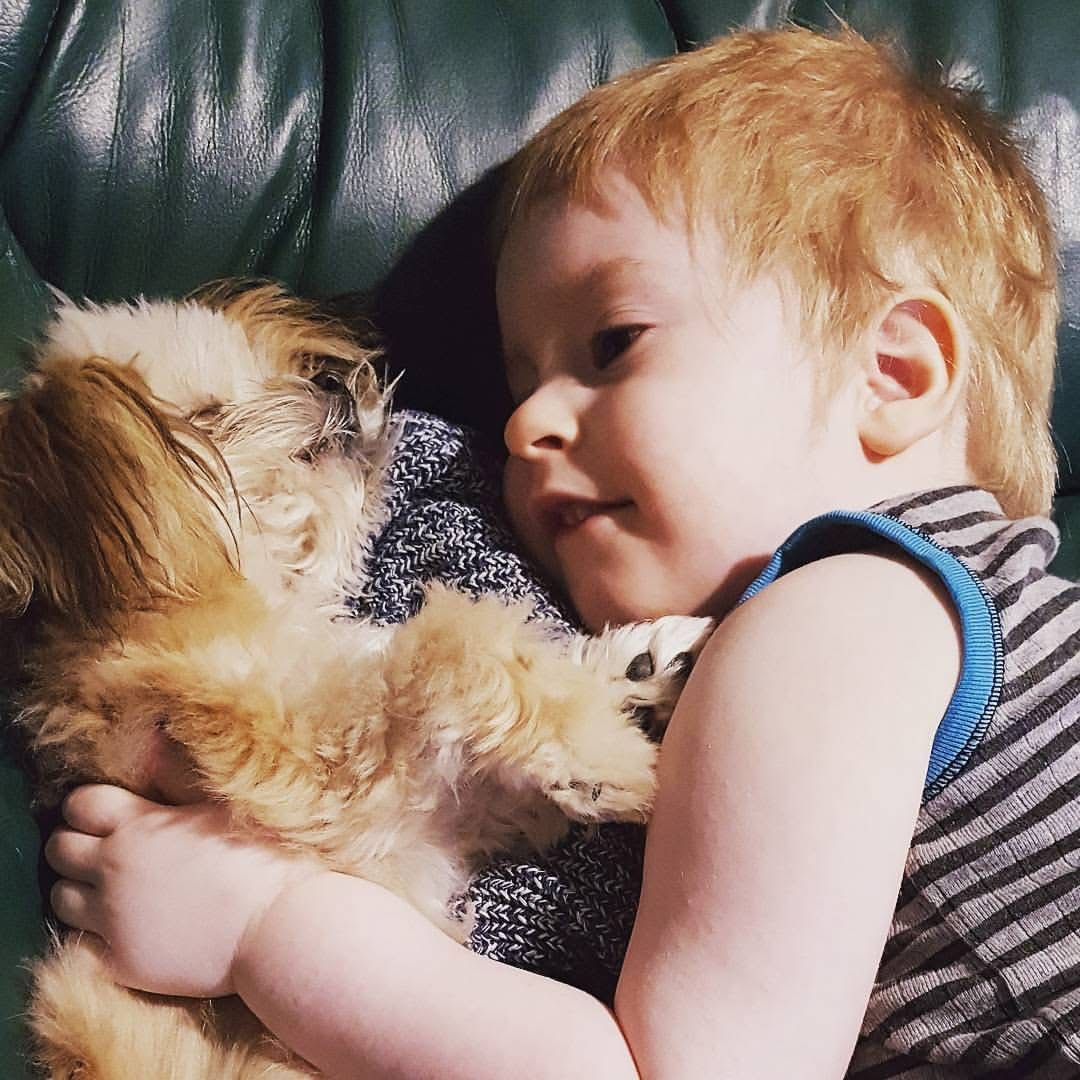
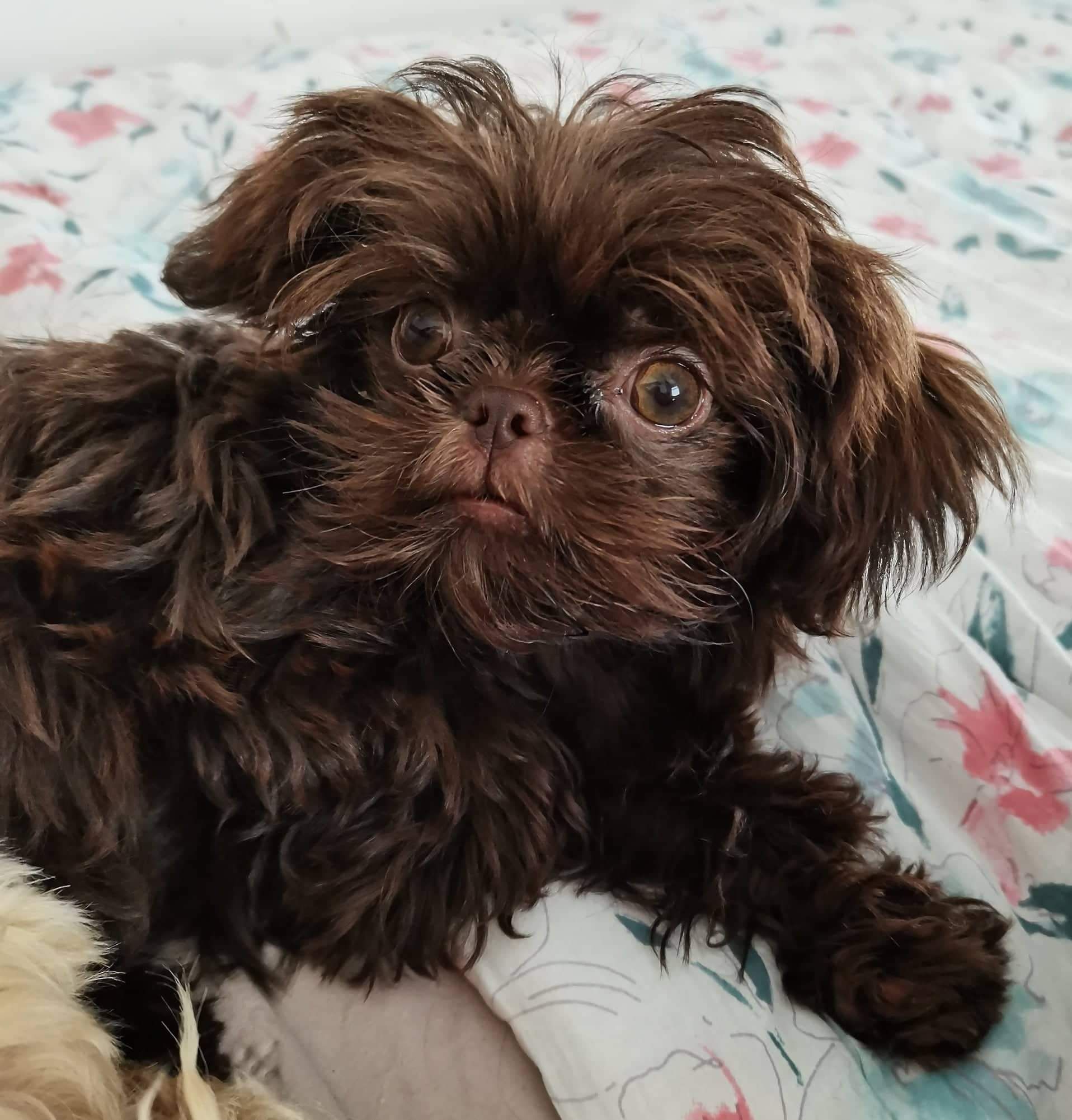

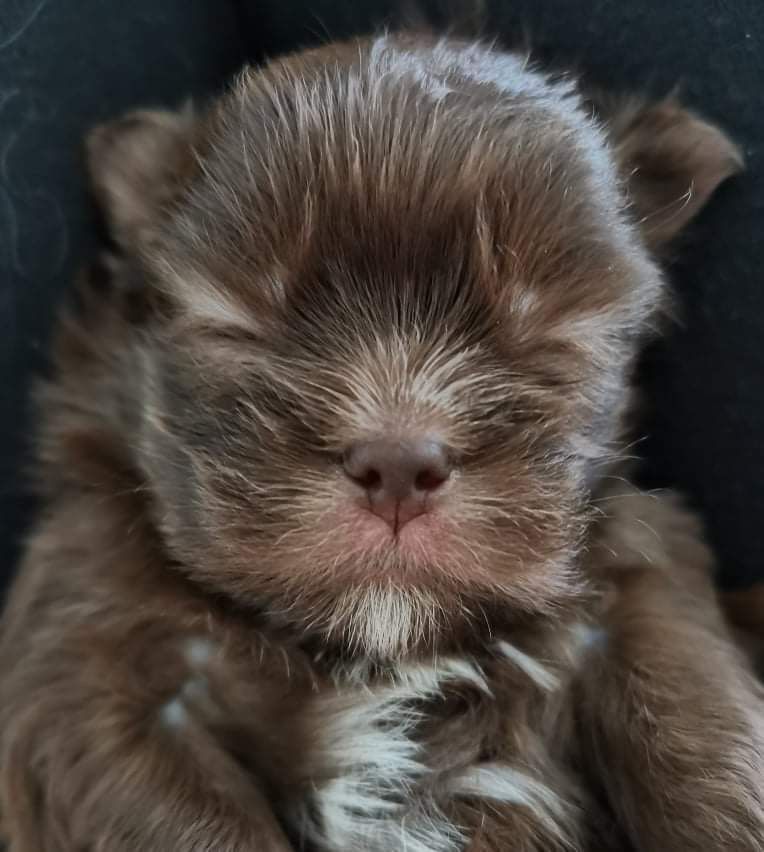
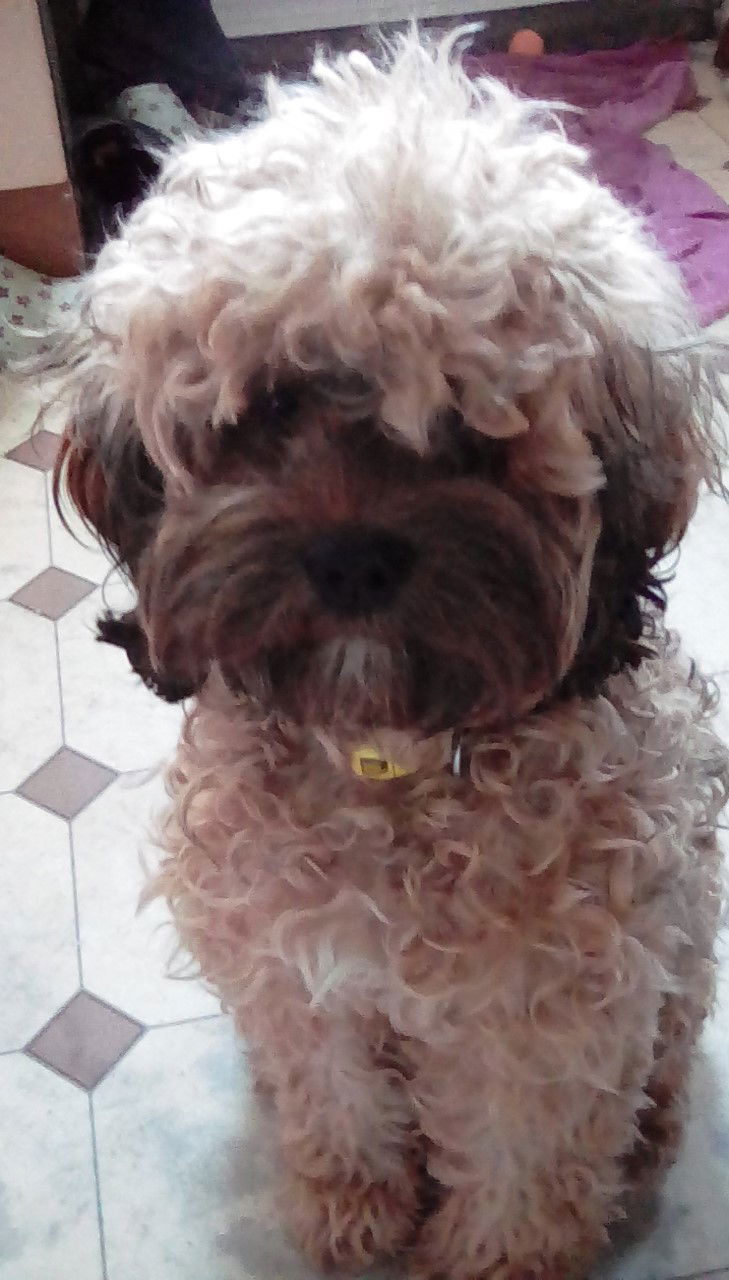
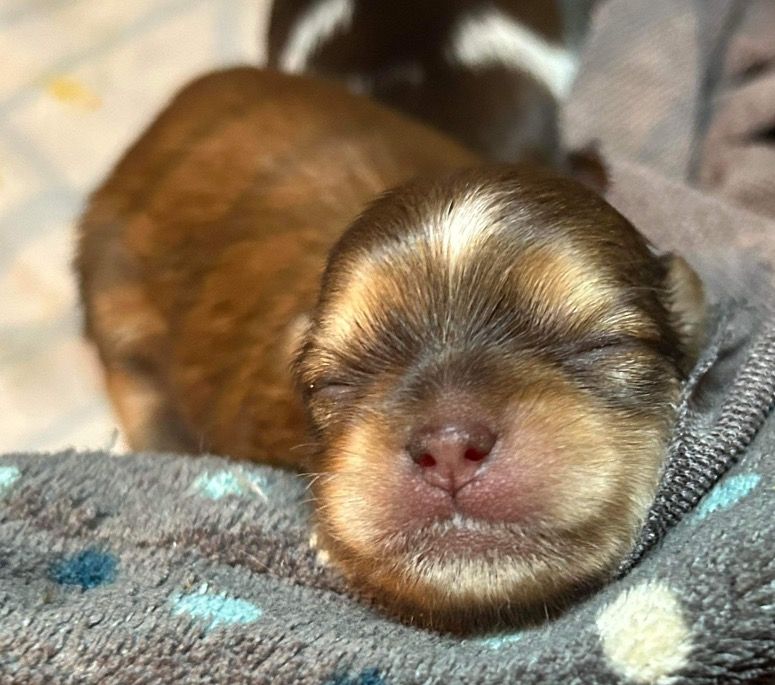
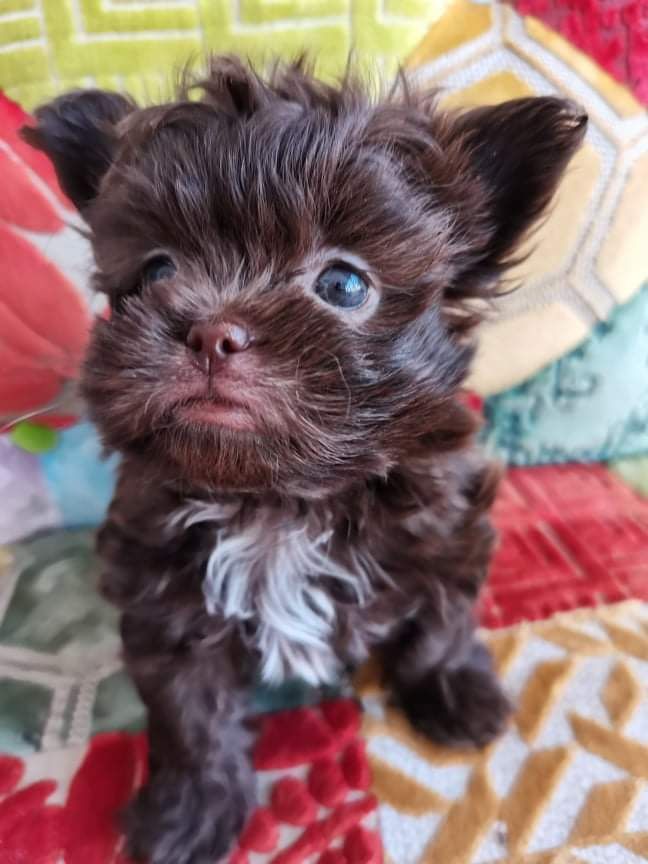
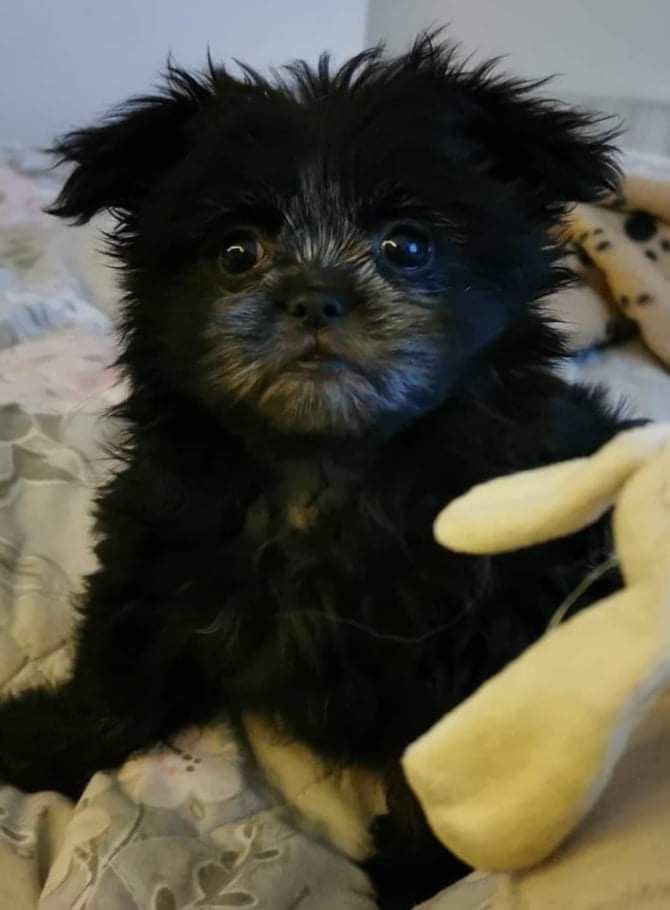
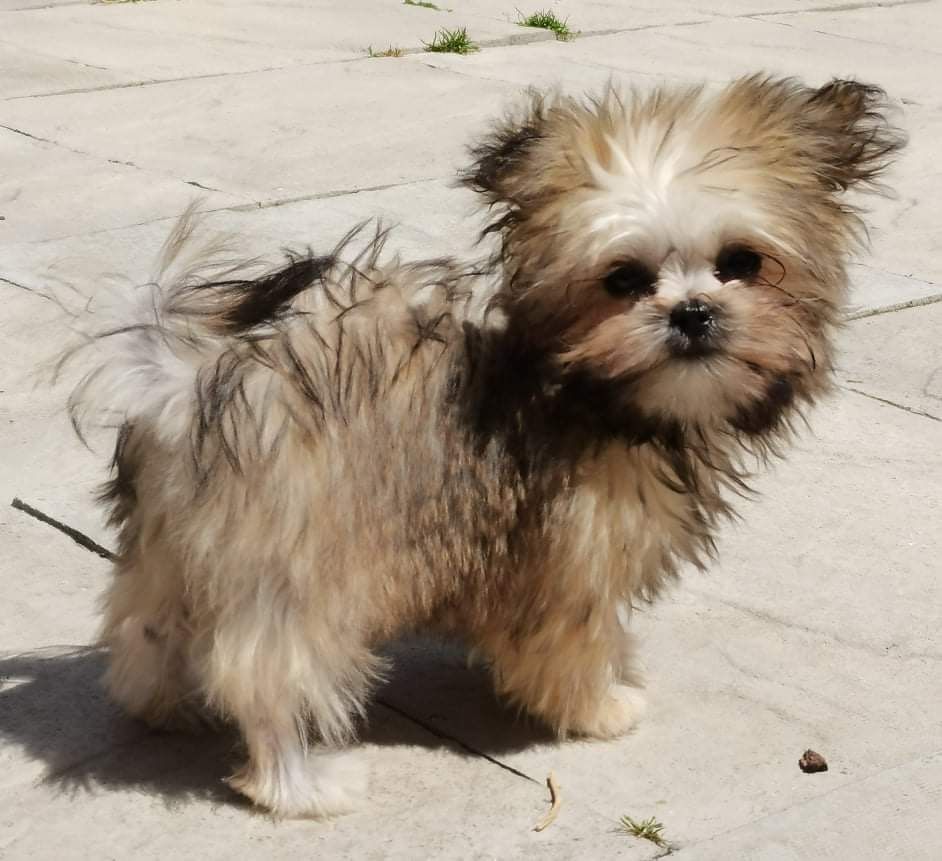

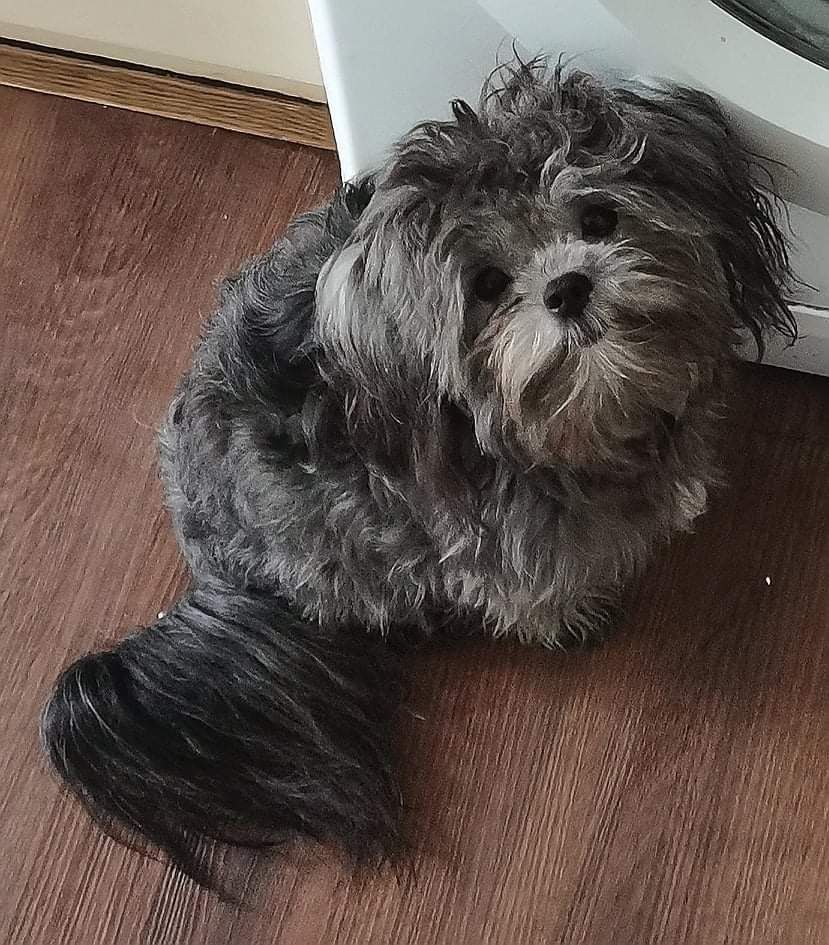
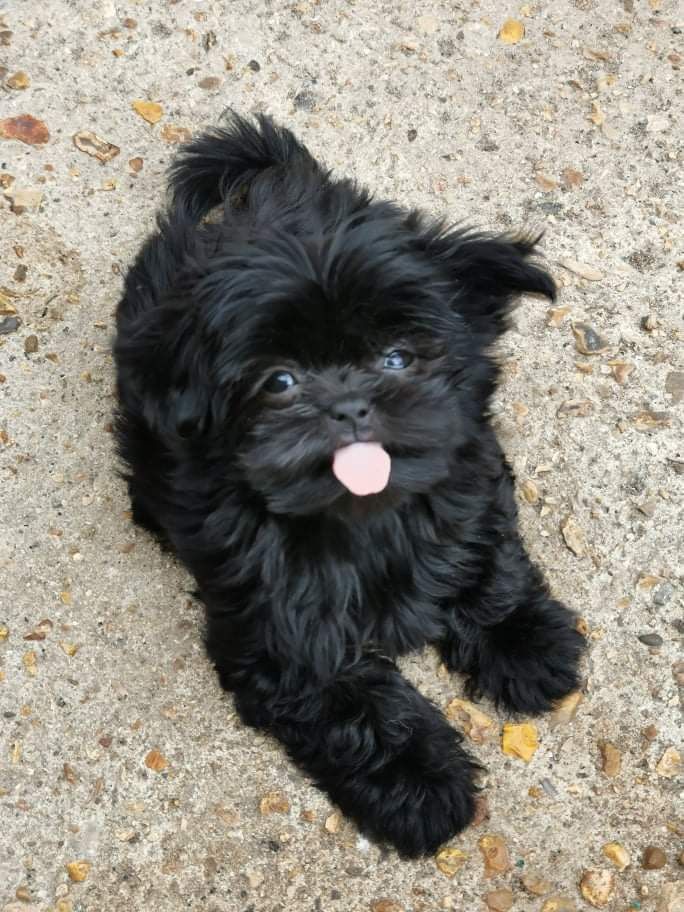




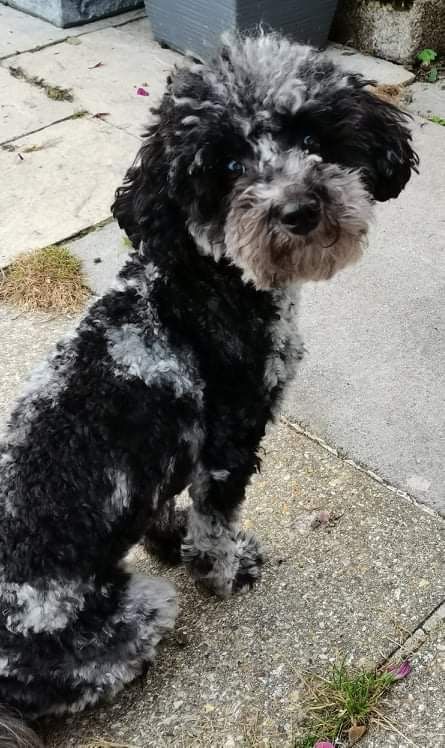






OWNING A TINY TOY BREED!
How Small is Very Small?
Adult weight between 1 and 3kg. Determining a puppy's eventual adult size can be difficult before they mature, though I try to give an estimate. Regardless, they remain a very small overall, with unique care challenges. Key Considerations for Very Small dogs
Extremely small dogs are delicate and require gentle care to protect their fragile bodies. Owners must be mindful of several important factors to support their health, safety, and well-being.
1. Fragility and Injury Prevention Very small dogs are finely boned and exceptionally fragile. Even minor accidents can cause broken bones, head trauma, or severe internal injuries. Because of their size, interactions with larger dogs should be supervised, as boisterous behaviour can lead to injury. At home, people must take care to avoid accidentally stepping on or sitting near their tiny pet.
2. Feeding and Nutrition Balance Feeding a tiny dog correctly involves balancing proper nutrition with controlling portions. Overfeeding can quickly lead to bloating and or regurgitation. Conversely, underfeeding risks energy dips and blood sugar issues (see Hypoglycaemia further on!) Regular feeding schedules with a high-quality, age-appropriate diet tailored to their size help maintain optimum health
3. Temperature Regulation Due to low body fat and minimal muscle mass, very small dogs struggle to regulate their body temperature, especially in colder weather. Owners should ensure a warm environment with stable room temperatures, and provide coats, jumpers, and soft bedding to keep them comfortable and prevent hypothermia.
4. Veterinary Care and Surgical Challenges Small size increases the difficulty of veterinary procedures, including routine surgeries like spaying or neutering. Such interventions require an experienced veterinary team and careful post-operative monitoring. Costs may rise due to the specialized nature of care needed for these tiny dogs.
5. Breeding Risks Breeding very small dogs, particularly those with disproportionately large, domed heads, carries heightened risks. Caesarean sections may be necessary for delivery, and pregnancy complications are more common. Ethical breeding focusing on health and welfare rather than size extremes is vital.
6. Exercise and Activity Management While exercise remains important, very small dogs typically tire quickly and may struggle to maintain an average walking pace. Short, gentle walks with pace adjustments and readiness to carry them when needed are essential. This careful attention ensures exercise benefits without overexertion or stress.
7. Handling and Home Environment Gentle handling is crucial to prevent injury. Using a well-fitted harness instead of a collar avoids tracheal damage common in toy breeds. Small dogs are unevenly represented on bite statistic reports, which many attribute to the “small dog syndrome”.
Small dog syndrome
Genetics and temperament are important and intractable elements in behaviour, but other internal and external factors can be manipulated. We can interrupt the learning loops that encourage and effectively train the behaviour, reducing the rewarding effect. Any behaviour that successfully delivers a desired outcome has a greater potential to be repeated – dogs of all sizes do what works for them. When the small dog reacts aggressively and the person or animal retreats, they are rewarded for engaging in the behaviour. Owners may not initially feel as threatened by a bite coming from a 10-pound dog; something that would be quickly recognized as dangerous in a German Shepherd may be tolerated far longer in a small dog. DO NOT LET THIS HAPPEN!
There are many unanswered questions regarding the small dog syndrome phenomenon, including why they are so quick to escalate in their aggression. A potential factor that may significantly contribute to the maintenance and severity of the behaviours in question is owner-training methods. There is evidence that small breeds are prone to demonstrate heightened reactivity and aggressive responses when physical punishment methods are employed, which may be a result of being more vulnerable to the physical manipulation of the owner. Dominance training encourages owner behaviours that are counterproductive to creating a calm dog, and owner induced aggression is often the result. In a recent survey study, it was found that 31% of owners utilized the alpha role, and that a quarter of these interactions resulted in an aggressive response. Since the small dog is easier to physically master, the alpha role is frequently employed and the incidence of aggression to familiar people escalated when these methods were used.
What can be done to avoid small dog syndrome in your pet?
Respect and treat them as a dog! Many actions that an owner would not/could not continue with a large breed past puppyhood, are maintained with small dogs. Small dogs are often subjected to excessive and unwanted handling, with no respect to how the dog may feel at the time. Behaviours such as:
This includes safe interaction with different size dogs. Owners often do not get their small breed dog out early, fearing that it is too fragile. The fact that they continue to look like a young puppy can lead an owner to feel that they don’t need to start training in earnest until they are much older. Early exposure will build a better understanding of what is acceptable in their world and make a significant difference in the adult behaviour. This is especially true for breeds that have been shown to possess a heightened inclination to generalized reactivity. We want to build their confidence, so that they feel safe and not on the defensive!
Daily exercise outside is critical! Although they may not need as much space as a larger breed, it is still crucial to let them learn how to behave in the world. Exercise also increases the brain’s ability to deal with stress, which is so important for any breed that is prone to the shy end of the boldness spectrum.
Train them as you would a larger breed.
While a small dog misbehaving may not seem as challenging as a Golden Retriever, it can and often does escalate to more forward behaviours as they learn that they can control the actions of those around them. The more they practice behaviours such as lap or food guarding, the more entrenched it can become, until we arrive at the small dog with an outsized attitude of entitlement! A simple matter of house guidelines for any sized dog, so that they build manners and respect is important. Set meal times, require basic manners before walks, invite them onto the furniture and practice asking them to get off on command. Just because they are little does not mean they don’t have a high level of intelligence that needs to be directed!
Care around Children!
Small dogs are at particular risk being handled inappropriately by small children, which can escalate their perception that they need to be on guard around them. Parents need to instruct children to allow the pup to come to them, ideally while seated on the floor, precluding the need to pick up the puppy. This will help to build improve the sense of safety for the pup, reducing anxiety and defensive displays. Small dogs can accomplish anything and everything a large breed dog can do, but we do need to be respectful of their greater vulnerability due to size. Look at things from their (very low) point of view!
Hypoglycaemia
Causes Small dogs, especially toy breeds and young puppies, are particularly susceptible to hypoglycemia due to their limited glycogen stores and immature liver function, which reduces their ability to maintain stable blood glucose levels. Common causes include: Physiological factors: Prolonged exercise, stress, or cold exposure can deplete glucose rapidly. Dietary issues: Skipping meals or inadequate nutrition can trigger low blood sugar. Medical conditions: Liver disease, Addison’s disease, insulinoma (pancreatic tumors producing excess insulin), or infections like sepsis. Toxins: Ingestion of xylitol, certain medications, or insulin overdose.
Symptoms
Hypoglycemia often presents with neurological and behavioral signs because the brain relies heavily on glucose:
Immediate action is essential if hypoglycaemia is suspected:
Hypoglycemia in small dogs is a life-threatening condition that requires prompt recognition and treatment. Fast-acting sugar can stabilize mild cases temporarily, but veterinary evaluation is essential to address the underlying cause and prevent recurrence. Regular monitoring, proper nutrition, and awareness of risk factors significantly improve outcomes for small and toy breed dogs.
Understanding Low Blood Sugar in Dogs
Low blood sugar in dogs, medically known as hypoglycaemia, is a serious condition that requires immediate attention and proper management. This potentially life-threatening condition occurs when blood glucose levels drop below normal, affecting your dog's energy levels and overall health. While hypoglycaemia can affect any dog, certain groups are particularly vulnerable, including puppies, toy breeds, and dogs with underlying health conditions. Understanding the causes, symptoms, and treatment options is crucial for every dog owner, as quick action can mean the difference between a full recovery and severe complications.
Common Causes of Canine Hypoglycaemia
Physiological Causes
Several natural factors can trigger low blood sugar in dogs. Intense physical activity, especially in working or hunting dogs, can deplete glucose reserves rapidly. Very young puppies and toy breeds are particularly susceptible due to their limited ability to store and regulate glucose effectively.
Medical Conditions
Various health issues can lead to hypoglycaemia, including:
What are the common signs and symptoms of low blood sugar (hypoglycaemia) in dogs?
Common signs include weakness, lethargy, trembling, confusion, lack of coordination, and in severe cases, seizures or collapse. Early symptoms may also include unusual behaviour and loss of appetite.
Which dog breeds and age groups are most at risk for hypoglycaemia?
Toy breeds, puppies under 3 months, and senior dogs are most at risk. Specific breeds like Chihuahuas, Yorkshire Terriers, and other small breeds are particularly susceptible due to their limited glucose storage capacity.
How should I treat my dog's low blood sugar emergency at home before reaching the vet?
If your dog is conscious, apply honey or corn syrup to their gums. For dogs able to eat, offer small amounts of high-sugar food. However, always contact your veterinarian immediately, as this is only a temporary solution.
What underlying diseases or conditions can cause hypoglycaemia in dogs?
Several conditions can cause hypoglycaemia, including insulin-producing tumours, liver disease, Addison's disease, severe infections, and pancreatic disorders. Diabetes medication complications can also lead to low blood sugar.
How can I prevent my diabetic or toy breed dog from developing hypoglycaemia?
Maintain regular feeding schedules, monitor blood sugar levels as recommended by your vet, avoid prolonged fasting, and ensure proper medication dosing for diabetic dogs. Keep emergency glucose sources available and schedule regular veterinary check-ups.
Conclusion
Understanding and managing low blood sugar in dogs requires vigilance and proper knowledge. By recognizing the signs early and taking appropriate action, you can help ensure your dog's safety and well-being. Remember to work closely with your veterinarian to develop an appropriate management plan, especially if your dog falls into a high-risk category.
Other considerations
Carry some water with you everywhere, maybe with a little honey in it, and a syringe.
Think about a slow feeding bowl so the tummy doesn’t over fill and cause regurgitation. Free feeding, access all day, is a good idea.
Teeth brushing is recommended to help avoid dental issues.
In countryside/large gardens, be mindful of Sparrowhawks that could carry off a tiny dog.
Make outdoor space safe. Tiny dogs can get through small spaces such as fencing and gates. (They are great escape artists).
Be aware of toxic plants like wild lilies, Bluebells etc. they are great at exploring and being so low to the ground they become natural Hoovers and nothing is off limits. Research the plants you have for toxicity. With such tiny stomachs anything toxic is going to have a faster effect. You need to be one step ahead of them all the time with everything at their height they might try to eat.
Sometimes natural shivering comes after eating food and becoming over excited. As with all dogs they will let you know when they require comfort or picking up by jumping on the spot or pawing at you. If when you go to pick them up and they run or back off, it means I want attention but not to be picked up.
If you have stairs, please be aware of falling. They may eventually be able to get up but it may take a few more months to master going back down. I have heard stories of tiny teacups falling down the stairs and doing damage to their necks etc with possible fatal outcomes. USE netted or solid type Stairgates and block the bottom with a heavy drought excluder so they can’t get underneath.
These tiny bundles of love are truly loyal and attach themselves to you quickly. If you don’t leave them in a safe place for short periods of time (i.e., crate training) perhaps when you go upstairs to do a job their anxiety will grow and become distressed, so please get them used to being without you from early on for very short periods only. They would not be able to cope being left on their own for long periods of time.
Adult weight between 1 and 3kg. Determining a puppy's eventual adult size can be difficult before they mature, though I try to give an estimate. Regardless, they remain a very small overall, with unique care challenges. Key Considerations for Very Small dogs
Extremely small dogs are delicate and require gentle care to protect their fragile bodies. Owners must be mindful of several important factors to support their health, safety, and well-being.
1. Fragility and Injury Prevention Very small dogs are finely boned and exceptionally fragile. Even minor accidents can cause broken bones, head trauma, or severe internal injuries. Because of their size, interactions with larger dogs should be supervised, as boisterous behaviour can lead to injury. At home, people must take care to avoid accidentally stepping on or sitting near their tiny pet.
2. Feeding and Nutrition Balance Feeding a tiny dog correctly involves balancing proper nutrition with controlling portions. Overfeeding can quickly lead to bloating and or regurgitation. Conversely, underfeeding risks energy dips and blood sugar issues (see Hypoglycaemia further on!) Regular feeding schedules with a high-quality, age-appropriate diet tailored to their size help maintain optimum health
3. Temperature Regulation Due to low body fat and minimal muscle mass, very small dogs struggle to regulate their body temperature, especially in colder weather. Owners should ensure a warm environment with stable room temperatures, and provide coats, jumpers, and soft bedding to keep them comfortable and prevent hypothermia.
4. Veterinary Care and Surgical Challenges Small size increases the difficulty of veterinary procedures, including routine surgeries like spaying or neutering. Such interventions require an experienced veterinary team and careful post-operative monitoring. Costs may rise due to the specialized nature of care needed for these tiny dogs.
5. Breeding Risks Breeding very small dogs, particularly those with disproportionately large, domed heads, carries heightened risks. Caesarean sections may be necessary for delivery, and pregnancy complications are more common. Ethical breeding focusing on health and welfare rather than size extremes is vital.
6. Exercise and Activity Management While exercise remains important, very small dogs typically tire quickly and may struggle to maintain an average walking pace. Short, gentle walks with pace adjustments and readiness to carry them when needed are essential. This careful attention ensures exercise benefits without overexertion or stress.
7. Handling and Home Environment Gentle handling is crucial to prevent injury. Using a well-fitted harness instead of a collar avoids tracheal damage common in toy breeds. Small dogs are unevenly represented on bite statistic reports, which many attribute to the “small dog syndrome”.
Small dog syndrome
Genetics and temperament are important and intractable elements in behaviour, but other internal and external factors can be manipulated. We can interrupt the learning loops that encourage and effectively train the behaviour, reducing the rewarding effect. Any behaviour that successfully delivers a desired outcome has a greater potential to be repeated – dogs of all sizes do what works for them. When the small dog reacts aggressively and the person or animal retreats, they are rewarded for engaging in the behaviour. Owners may not initially feel as threatened by a bite coming from a 10-pound dog; something that would be quickly recognized as dangerous in a German Shepherd may be tolerated far longer in a small dog. DO NOT LET THIS HAPPEN!
There are many unanswered questions regarding the small dog syndrome phenomenon, including why they are so quick to escalate in their aggression. A potential factor that may significantly contribute to the maintenance and severity of the behaviours in question is owner-training methods. There is evidence that small breeds are prone to demonstrate heightened reactivity and aggressive responses when physical punishment methods are employed, which may be a result of being more vulnerable to the physical manipulation of the owner. Dominance training encourages owner behaviours that are counterproductive to creating a calm dog, and owner induced aggression is often the result. In a recent survey study, it was found that 31% of owners utilized the alpha role, and that a quarter of these interactions resulted in an aggressive response. Since the small dog is easier to physically master, the alpha role is frequently employed and the incidence of aggression to familiar people escalated when these methods were used.
What can be done to avoid small dog syndrome in your pet?
Respect and treat them as a dog! Many actions that an owner would not/could not continue with a large breed past puppyhood, are maintained with small dogs. Small dogs are often subjected to excessive and unwanted handling, with no respect to how the dog may feel at the time. Behaviours such as:
- Scooping the small dog up from behind, with no warning that they are being lifted, can contribute to a lack of confidence and heightened reactivity on the approach of a person.
- Holding the small dog in your arms while forcing them into the belly up position for petting can make them feel quite vulnerable and may elicit an unwanted reaction.
- Allowing the dog to be petted by others while trapped in the owner’s arms. This prevents them from showing fear or defensive body language, or to remove themselves from the unwanted attention. Their remaining line of defence is to their teeth.
This includes safe interaction with different size dogs. Owners often do not get their small breed dog out early, fearing that it is too fragile. The fact that they continue to look like a young puppy can lead an owner to feel that they don’t need to start training in earnest until they are much older. Early exposure will build a better understanding of what is acceptable in their world and make a significant difference in the adult behaviour. This is especially true for breeds that have been shown to possess a heightened inclination to generalized reactivity. We want to build their confidence, so that they feel safe and not on the defensive!
Daily exercise outside is critical! Although they may not need as much space as a larger breed, it is still crucial to let them learn how to behave in the world. Exercise also increases the brain’s ability to deal with stress, which is so important for any breed that is prone to the shy end of the boldness spectrum.
Train them as you would a larger breed.
While a small dog misbehaving may not seem as challenging as a Golden Retriever, it can and often does escalate to more forward behaviours as they learn that they can control the actions of those around them. The more they practice behaviours such as lap or food guarding, the more entrenched it can become, until we arrive at the small dog with an outsized attitude of entitlement! A simple matter of house guidelines for any sized dog, so that they build manners and respect is important. Set meal times, require basic manners before walks, invite them onto the furniture and practice asking them to get off on command. Just because they are little does not mean they don’t have a high level of intelligence that needs to be directed!
Care around Children!
Small dogs are at particular risk being handled inappropriately by small children, which can escalate their perception that they need to be on guard around them. Parents need to instruct children to allow the pup to come to them, ideally while seated on the floor, precluding the need to pick up the puppy. This will help to build improve the sense of safety for the pup, reducing anxiety and defensive displays. Small dogs can accomplish anything and everything a large breed dog can do, but we do need to be respectful of their greater vulnerability due to size. Look at things from their (very low) point of view!
Hypoglycaemia
Causes Small dogs, especially toy breeds and young puppies, are particularly susceptible to hypoglycemia due to their limited glycogen stores and immature liver function, which reduces their ability to maintain stable blood glucose levels. Common causes include: Physiological factors: Prolonged exercise, stress, or cold exposure can deplete glucose rapidly. Dietary issues: Skipping meals or inadequate nutrition can trigger low blood sugar. Medical conditions: Liver disease, Addison’s disease, insulinoma (pancreatic tumors producing excess insulin), or infections like sepsis. Toxins: Ingestion of xylitol, certain medications, or insulin overdose.
Symptoms
Hypoglycemia often presents with neurological and behavioral signs because the brain relies heavily on glucose:
- Weakness, lethargy, or collapse
- Trembling or muscle twitching
- Lack of coordination or confusion
- Seizures or loss of consciousness in severe cases
- Rapid heart rate, rapid breathing, drooling, or vomiting. Early detection is critical, as symptoms can appear suddenly and worsen quickly.
Immediate action is essential if hypoglycaemia is suspected:
- Conscious dogs:
- Offer fast-acting sugar such as honey, corn syrup, or a carbohydrate-rich meal (e.g., cooked pasta with syrup) to quickly raise blood glucose.
- Unconscious or seizing dogs:
- Do not force food into the mouth; instead, rub syrup on the gums and seek emergency veterinary care immediately.
- Veterinary care: May include intravenous dextrose, monitoring, and treatment of underlying causes.
- Feed frequent, small meals rich in complex carbohydrates, protein, and healthy fats, especially for puppies and toy breeds.
- Monitor at-risk dogs closely for early signs of hypoglycaemia.
- Manage underlying medical conditions with veterinary guidance.
- Avoid sudden intense exercise or prolonged fasting in small dogs.
Hypoglycemia in small dogs is a life-threatening condition that requires prompt recognition and treatment. Fast-acting sugar can stabilize mild cases temporarily, but veterinary evaluation is essential to address the underlying cause and prevent recurrence. Regular monitoring, proper nutrition, and awareness of risk factors significantly improve outcomes for small and toy breed dogs.
Understanding Low Blood Sugar in Dogs
Low blood sugar in dogs, medically known as hypoglycaemia, is a serious condition that requires immediate attention and proper management. This potentially life-threatening condition occurs when blood glucose levels drop below normal, affecting your dog's energy levels and overall health. While hypoglycaemia can affect any dog, certain groups are particularly vulnerable, including puppies, toy breeds, and dogs with underlying health conditions. Understanding the causes, symptoms, and treatment options is crucial for every dog owner, as quick action can mean the difference between a full recovery and severe complications.
Common Causes of Canine Hypoglycaemia
Physiological Causes
Several natural factors can trigger low blood sugar in dogs. Intense physical activity, especially in working or hunting dogs, can deplete glucose reserves rapidly. Very young puppies and toy breeds are particularly susceptible due to their limited ability to store and regulate glucose effectively.
Medical Conditions
Various health issues can lead to hypoglycaemia, including:
- Insulin-producing tumours (insulinomas)
- Liver disease
- Addison's disease
- Severe infections
- Pancreatic disorders
- External Factors
- Sometimes, hypoglycaemia results from preventable circumstances such as:
- Missed meals in diabetic dogs
- Accidental ingestion of sugar substitutes (especially xylitol)
- Medication errors
- Extended periods without food
- Recognizing the Warning Signs
- Early detection of hypoglycaemia symptoms is crucial. Watch for these indicators:
- Early Symptoms
- Weakness and lethargy
- Loss of appetite
- Unusual behaviour or confusion
- Trembling or shaking
- Lack of coordination
- Advanced Symptoms
- Seizures
- Collapse
- Loss of consciousness
- Muscle twitching
- Extreme disorientation
- Emergency Treatment and Management
- When you suspect your dog has low blood sugar, immediate action is essential:
- Immediate Response For conscious dogs:
- Rub honey or corn syrup on their gums (can take a few minutes)
- Offer small amounts of food if they can eat
- Contact your veterinarian immediately Professional Treatment
- Veterinary care may include:
- Intravenous glucose administration
- Blood tests to determine underlying causes
- Treatment of any contributing conditions
- Ongoing monitoring and adjustment of treatment plan
- Prevention Strategies
- Preventing hypoglycaemic episodes is crucial, especially for at-risk dogs:
- Daily Management
- Maintain regular feeding schedules
- Monitor exercise intensity and duration
- Keep emergency glucose sources readily available
- Regular veterinary check-ups
- Special Considerations
- Additional monitoring for diabetic dogs
- Extra care for toy breeds and puppies
- Proper medication management
- Avoiding exposure to toxic substances
What are the common signs and symptoms of low blood sugar (hypoglycaemia) in dogs?
Common signs include weakness, lethargy, trembling, confusion, lack of coordination, and in severe cases, seizures or collapse. Early symptoms may also include unusual behaviour and loss of appetite.
Which dog breeds and age groups are most at risk for hypoglycaemia?
Toy breeds, puppies under 3 months, and senior dogs are most at risk. Specific breeds like Chihuahuas, Yorkshire Terriers, and other small breeds are particularly susceptible due to their limited glucose storage capacity.
How should I treat my dog's low blood sugar emergency at home before reaching the vet?
If your dog is conscious, apply honey or corn syrup to their gums. For dogs able to eat, offer small amounts of high-sugar food. However, always contact your veterinarian immediately, as this is only a temporary solution.
What underlying diseases or conditions can cause hypoglycaemia in dogs?
Several conditions can cause hypoglycaemia, including insulin-producing tumours, liver disease, Addison's disease, severe infections, and pancreatic disorders. Diabetes medication complications can also lead to low blood sugar.
How can I prevent my diabetic or toy breed dog from developing hypoglycaemia?
Maintain regular feeding schedules, monitor blood sugar levels as recommended by your vet, avoid prolonged fasting, and ensure proper medication dosing for diabetic dogs. Keep emergency glucose sources available and schedule regular veterinary check-ups.
Conclusion
Understanding and managing low blood sugar in dogs requires vigilance and proper knowledge. By recognizing the signs early and taking appropriate action, you can help ensure your dog's safety and well-being. Remember to work closely with your veterinarian to develop an appropriate management plan, especially if your dog falls into a high-risk category.
Other considerations
Carry some water with you everywhere, maybe with a little honey in it, and a syringe.
Think about a slow feeding bowl so the tummy doesn’t over fill and cause regurgitation. Free feeding, access all day, is a good idea.
Teeth brushing is recommended to help avoid dental issues.
In countryside/large gardens, be mindful of Sparrowhawks that could carry off a tiny dog.
Make outdoor space safe. Tiny dogs can get through small spaces such as fencing and gates. (They are great escape artists).
Be aware of toxic plants like wild lilies, Bluebells etc. they are great at exploring and being so low to the ground they become natural Hoovers and nothing is off limits. Research the plants you have for toxicity. With such tiny stomachs anything toxic is going to have a faster effect. You need to be one step ahead of them all the time with everything at their height they might try to eat.
Sometimes natural shivering comes after eating food and becoming over excited. As with all dogs they will let you know when they require comfort or picking up by jumping on the spot or pawing at you. If when you go to pick them up and they run or back off, it means I want attention but not to be picked up.
If you have stairs, please be aware of falling. They may eventually be able to get up but it may take a few more months to master going back down. I have heard stories of tiny teacups falling down the stairs and doing damage to their necks etc with possible fatal outcomes. USE netted or solid type Stairgates and block the bottom with a heavy drought excluder so they can’t get underneath.
These tiny bundles of love are truly loyal and attach themselves to you quickly. If you don’t leave them in a safe place for short periods of time (i.e., crate training) perhaps when you go upstairs to do a job their anxiety will grow and become distressed, so please get them used to being without you from early on for very short periods only. They would not be able to cope being left on their own for long periods of time.
Information/Articles
Puppy Fitness That Fits The Puppy
www.madcapuniversity.com/blogs/articles-and-product-reviews/puppy-fitness-that-fits-the-puppy
8 Tips to Help Your New Puppy Adjust to a New Home
www.ilovedogscute.com/dog-tips/8-tips-to-help-your-new-puppy-adjust-to-a-new-home/
Introducing your new dog or puppy to your current dog
www.dogstrust.ie/dog-advice/life-with-your-dog/at-home/introducing-new-puppy
Setting Schedules and Developing a Routine for Your New Puppy
www.akc.org/expert-advice/training/setting-schedules-and-developing-a-routine-for-your-new-puppy/
Puppy Toilet Training: Step-by-Step Guide for Success
www.pets4homes.co.uk/pet-advice/puppy-toilet-training.html
How to crate train your dog in 9 easy steps
www.pupspetclub.com/crate-train-dog-9-easy-steps/
The Importance of Teaching Your Puppy How to Be Alone
www.akc.org/expert-advice/training/leaving-puppy-alone/
Puppy Lunging & Biting: 5 Ways To Stop It (For Good)
www.thepuppymag.com/puppy-lunging-biting/
The Importance of Socialising Your Puppy (and How to Actually Do It)
www.postmanpooch.co.uk/blogs/news/socialising-your-puppy
Puppy fitness that fits the puppy
www.madcapuniversity.com/blogs/articles-and-product-reviews/puppy-fitness-that-fits-the-puppy